Ferber Method Explained: How It Works – and What You Need to Know First
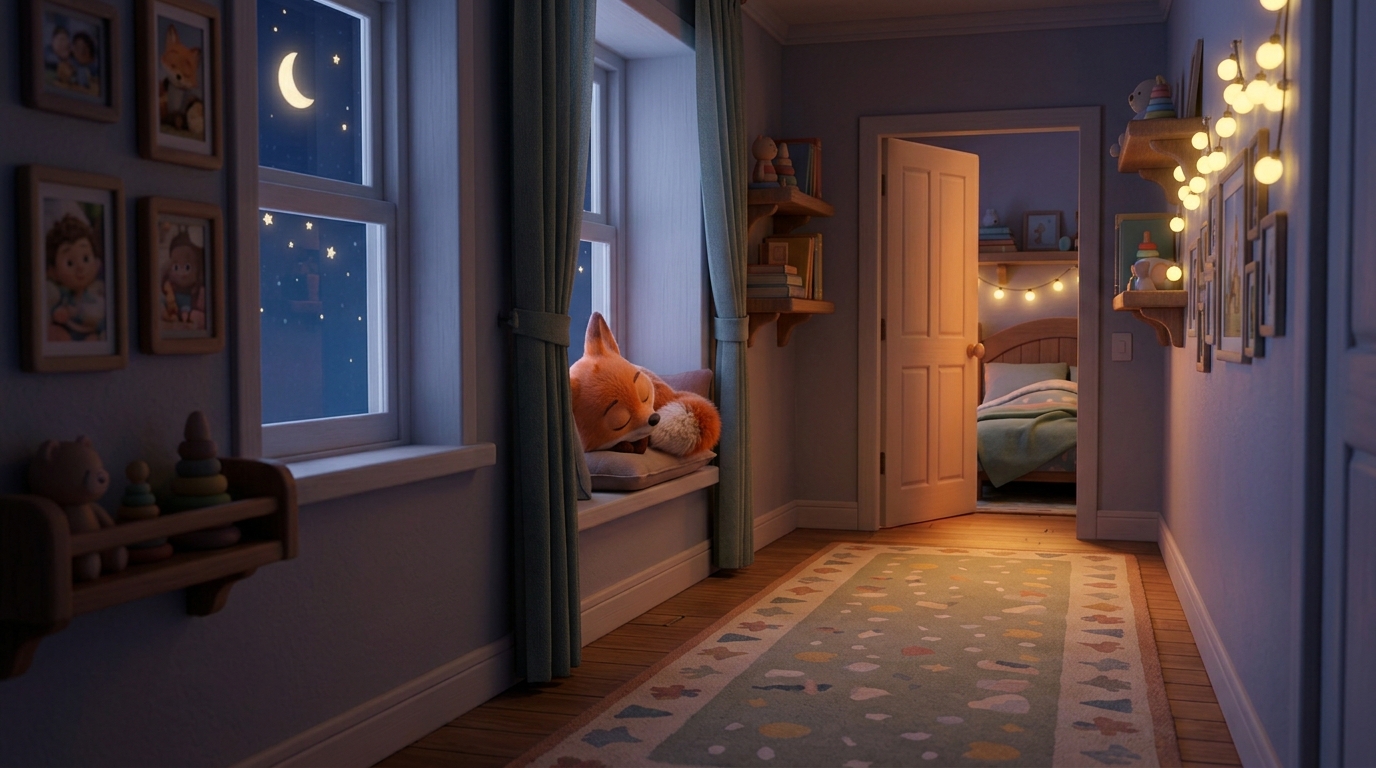
The Ferber method – also called 'controlled crying' or 'graduated extinction' – is one of the most debated sleep methods for young children. Here is an objective overview: What is it, how is it performed, and what alternatives exist if the method doesn't feel right for you?
The Ferber method – also known as controlled crying – involves putting your child to bed while they are awake and waiting for a set, gradually increasing number of minutes before briefly comforting them without picking them up. Richard Ferber recommends it from 6 months at the earliest, and most families see improvement within 3-7 nights.
| Night | 1st cry | 2nd cry | 3rd cry onwards |
|---|---|---|---|
| Night 1 | 3 min | 5 min | 10 min |
| Night 2 | 5 min | 10 min | 12 min |
| Night 3 | 10 min | 12 min | 15 min |
Source: Richard Ferber, Solve Your Child's Sleep Problems (1985). The intervals are guidelines – Ferber himself emphasizes that parents can adapt them.
What is the Ferber method?
The Ferber method was developed by American pediatrician Richard Ferber and described in the book Solve Your Child's Sleep Problems from 1985. The goal is to teach the child to fall asleep on their own – without being rocked, nursed, or held by the hand every time.
In short, the method involves putting the child in bed awake, saying goodnight, and leaving the room. If the child cries, you wait a set number of minutes before briefly going in to comfort them (without picking the child up). The intervals are gradually extended over several evenings.
How to do the Ferber method step-by-step?
- Put the child in bed awake after a calm, consistent bedtime routine, say goodnight, and leave the room.
- If the child cries, wait for the interval that applies to that evening (see the table above).
- Go in, comfort them briefly (1-2 minutes) without picking the child up, and leave the room again.
- Extend the interval after each visit, and increase the starting interval each night until the child falls asleep on their own.
When can you start the Ferber method?
Ferber himself recommends the method from 6 months of age at the earliest, and many sleep consultants believe it makes the most sense between ages 6-18 months, when the child is physiologically able to sleep through the night.
The method is not designed for:
- Children under 6 months (who still need night feedings/bottles).
- Children who are sick, have a fever, or are in the middle of a big change (moving, new daycare).
- Children with sleep apnea or other diagnosed sleep problems.
If the child is older, it helps to know the sleep needs for your child's age before choosing a method.
Does the Ferber method work – and how fast?
Research – including a major systematic review from 2006 – shows that graduated extinction (the Ferber method) is one of the most effective methods for teaching young children to fall asleep on their own. Most families experience significant improvement within 3-7 nights.
Recent studies also show that the method does not have measurable negative effects on attachment or stress, as long as it is carried out at an appropriate age stage and with loving presence between intervals.
Is the Ferber method suitable for all children?
The Ferber method is not a miracle cure. For some children, it works quickly and calmly. For others – especially highly sensitive children or children over 2 years old – it can feel too harsh and create more resistance.
Therefore, many sleep consultants today recommend a softer variant, where you stay in the room or sit next to the bed and gradually withdraw over several weeks. It takes longer but can be easier for both child and parent.
What do you do if the child is too old for the Ferber method?
For children over 2-3 years old, it is rarely controlled crying that is missing – it is a strong and predictable bedtime routine. Fixed times, a calm theme before bedtime, and a good bedtime story are often far more effective than any sleep method.
Read our guide to a calm bedtime routine, where we go through the best habits step-by-step.
Why do stories work so well at bedtime?
When a child is engaged in a personalized story where they are the hero, two things happen:
- The brain shifts from external stimuli (screens, noise, light) to calm internal imagination.
- The child feels seen and understood, which lowers stress hormones and makes falling asleep easier.
This is one of the reasons we built Flipr – personalized bedtime stories where your child is the main character, told with a gentle voice that helps them drift off to sleep.
Conclusion
The Ferber method can be an effective path to better sleep for babies and toddlers, but it does not suit all families or ages. For older children, a strong bedtime routine – ideally with a personalized bedtime story – is often the best investment. Choose what fits your child and give it time.
How old should my child be before I can use the Ferber method?
Richard Ferber himself recommends the method from 6 months of age at the earliest. Many sleep consultants believe the optimal window is 6-18 months. Children over 2 years old often benefit more from a strong bedtime routine than from controlled crying.
Is the Ferber method harmful to the child?
Research shows no measurable negative effects on attachment or stress, as long as the method is used at an appropriate age stage and the parent is lovingly present between intervals. If it feels wrong for you, softer alternatives exist.
How long does it take before the method works?
Most families experience significant improvement within 3-7 nights. If you see no effect after a week, it may be a sign that the method does not suit your child or that there is an underlying sleep challenge.
What is the alternative if Ferber doesn't suit us?
The 'gentle fade-out' (chair method) where you stay in the room and gradually withdraw. For older children, a strong bedtime routine with fixed times, peace, and a personalized bedtime story is often the most effective path to better sleep.
Make bedtime gentle with a personalized bedtime story
Reference: Mindell, J. A. et al. (2006). Behavioral treatment of bedtime problems and night wakings in infants and young children. Sleep, 29(10), 1263-1276.
Read also
- Getting Your Child to Sleep: 9 Strategies That Work
- How many hours should a child sleep? Sleep needs from 1 to 14 years
- 3-year-old hard to put to bed? 7 reasons – and what you can do tonight
- The ultimate guide to a calm bedtime routine: Why personalized stories are the shortcut to dreamland
- When your child can't fall asleep: A practical guide for 2-7-year-olds
- Stories as a Shield Against Fear of the Dark and Nightmares: Creating Security with Flipr