Why imagination is a superpower for children (and how stories train it)
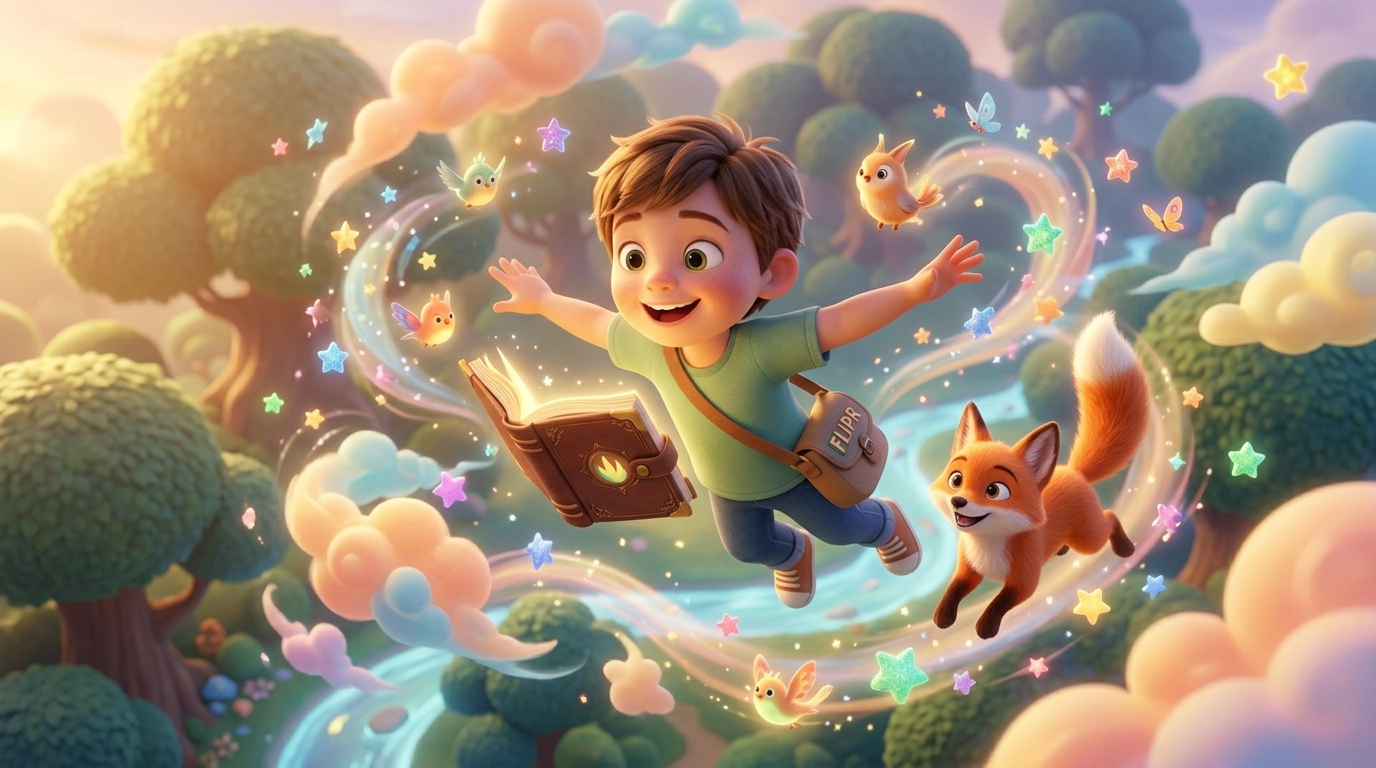
Imagine a world without colors, without adventure, without that magical touch that transforms a stick into a sword and a sofa into a pirate ship. That is a world without imagination – and fortunately, a child's imagination is one of their most powerful resources. But why is imagination so important, and how can we as parents help train this "superpower"?
Imagination is a superpower because it trains creative thinking, problem-solving, empathy, and language all at once. Children strengthen it best through stories, role-playing, and open-ended questions where they have to imagine people, places, and solutions themselves rather than being served the images.
Why is imagination important for children?
Imagination isn't just a pastime; it is a fundamental building block in a child's development. Research shows that a well-developed imaginative mind contributes positively to a wide range of areas:
- Cognitive development: Imagination stimulates the brain, improves problem-solving skills, and promotes creative thinking. When children imagine new scenarios, they train their ability to think abstractly and find innovative solutions.
- Emotional intelligence: Through imaginative play and stories, children can explore and process complex emotions in a safe environment. They learn empathy by putting themselves in others' shoes and understanding different perspectives.
- Social skills: Fantasy play, especially when social, teaches children to negotiate, cooperate, share, and resolve conflicts. They develop language and communication as they create shared narratives.
- Language development: Imagining worlds and characters requires a rich vocabulary and the ability to construct complex sentences. Stories introduce new words and concepts in an engaging way.
How do stories train a child's imagination?
Stories are the ultimate training camp for the imagination. Whether it's a bedtime story, a fairy tale book, or an interactive narrative, stories open doors to new worlds and invite the child to imagine the unseen.
How stories train the imagination:
- Visual imagery: Stories ask the child to "see" characters, places, and events in their mind, which strengthens internal image formation.
- Creative problem solving: Characters in stories often face challenges, and the child can mentally participate in finding solutions.
- Expanding horizons: Stories introduce children to different cultures, time periods, and ways of thinking, which broadens their understanding of the world.
- Empathy and perspective-taking: By following a character's journey, children learn to understand different emotions and motives.
How can you strengthen your child's imagination at home?
With the Flipr app, we take storytelling to a new level by making the child the active co-creator of their own imagination. Instead of just listening or reading, the child becomes the hero of their own personalized adventures.
How Flipr strengthens your child's imagination:
- Personal avatar: The child creates their own 3D avatar, which instantly anchors the story in the child's own reality and imagination.
- Customizable settings: From outer space to candy-land – the child chooses the setting for the adventure, which stimulates creativity.
- Interactive choices: The stories contain choices that the child must make, which develops critical thinking and the ability to imagine consequences.
- Social Co-creation: The ability to create stories with friends transforms imagination into a shared, social experience.
Conclusion
Imagination is an invaluable superpower that enriches children's lives in countless ways – from cognitive development to emotional intelligence. Stories are the key to training and developing this power, and with the Flipr app, you can give your child the ultimate tools to explore and expand their imaginative universe. See an example of how imagination comes into play in the story The Mystery of the Reversed Tracks, or explore the full library of personalized stories.
Why is imagination important for children's development?
Imagination is crucial for cognitive development (problem-solving, creative thinking), emotional intelligence (empathy, processing emotions), social skills (cooperation, communication), and language development. It is a fundamental resource that enriches the child's life on many levels.
How can stories train my child's imagination?
Stories encourage the child to imagine characters, places, and events, which strengthens internal image formation. They introduce new worlds, cultures, and ways of thinking, and help the child explore emotions and perspectives in a safe environment.
How does the Flipr app make stories more imaginative?
Flipr makes the child an active co-creator of the story. The child creates their own 3D avatar, chooses themes, and makes interactive choices that affect the plot. This increases engagement and gives the child ownership of the adventure, stimulating the imagination on a deeper level.
Is imaginative play only for young children?
No, imaginative play and storytelling are important for children of all ages. Although play changes form, the benefits of imagination continue to contribute to creativity, problem-solving, and emotional intelligence throughout childhood and into adulthood.
Unleash your child's imagination with personalized adventures
Reference: Russ, S. W. (2004). Play in child development: Toward a research agenda. American Journal of Play, 6(4), 485-502.
Read also
- From 0 to 100 Words: How Personalized Stories Boost Your Child's Vocabulary
- Learn a new language with Flipr: 10 minutes a day can make a world of difference
- Using Stories to Talk About Feelings: A Guide for Parents
- Surviving Grocery Shopping with Kids: How to Make the Supermarket Calmer
- Taking a child to a dinner party: how to keep your child entertained
- Behind the 3D Avatar: Why Visual Identification Boosts Your Child's Engagement