Screen time with a clear conscience: How to transform passive consumption into active learning
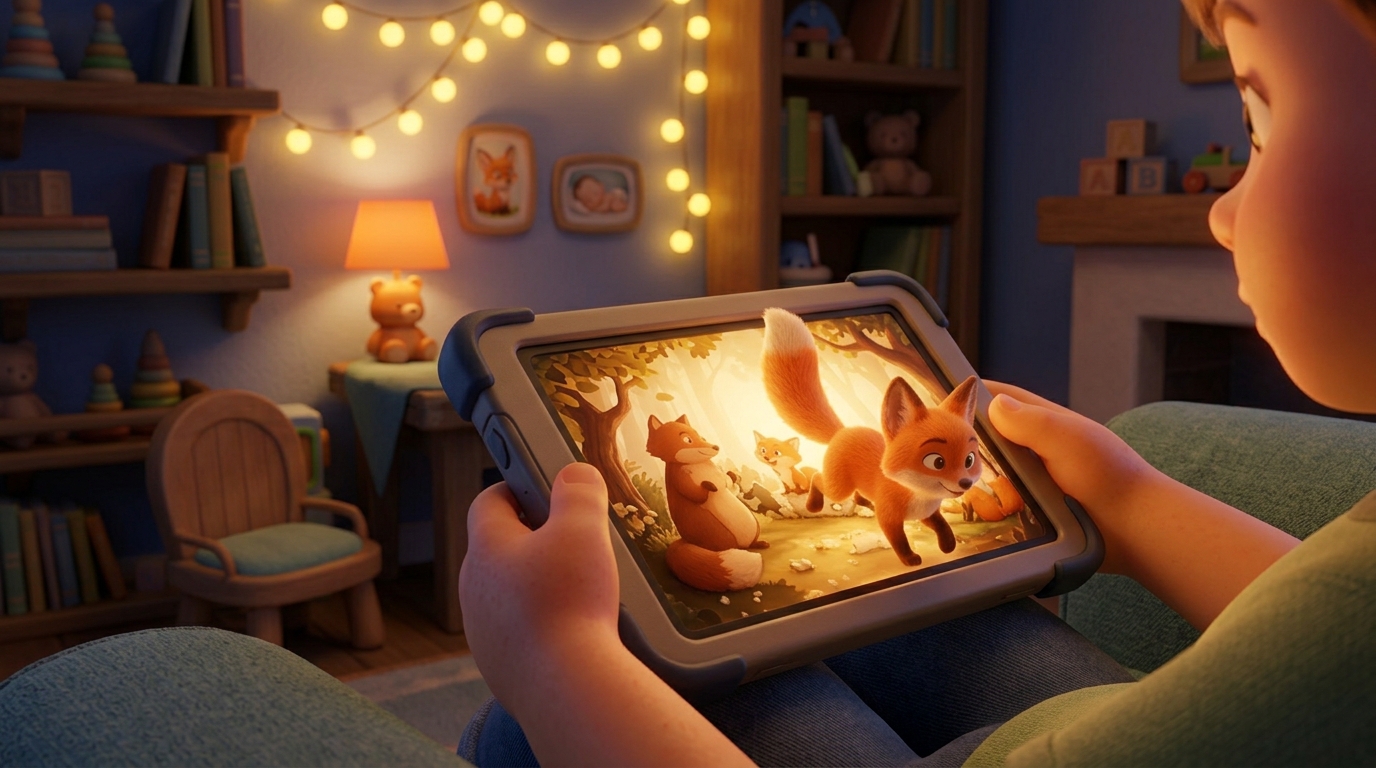
Screen time has become an unavoidable part of children's daily lives, and for many parents, it is a source of concern. How do you ensure that the screen isn't just a passive time-sink, but rather a tool that strengthens your child's development? The key lies in distinguishing between passive and active screen time and consciously choosing the latter.
Screen time is not harmful in itself – what matters is whether it is passive or active. Passive screen time means the child is simply receiving content. Active screen time requires the child to think, choose, and create. Choose content that engages the child, set clear boundaries, and talk to your child about what they experience.
What is the difference between passive and active screen time?
Passive screen time typically involves the child being a recipient of content without interacting actively. This could be watching cartoons, YouTube videos, or playing simple games that don't require deeper thinking or creativity. While it can provide a break for parents, it rarely contributes to cognitive development or learning.
Active screen time, on the other hand, engages the child in a process where they must think, create, solve problems, or interact. This could be apps that stimulate creativity, educational games, or interactive stories where the child makes choices and influences the plot. Here, the screen becomes a tool for learning and development.
Why is active screen time better for the child?
- Cognitive development: Strengthens problem-solving, critical thinking, and creativity.
- Language development: Interactive apps can introduce new words and concepts in an engaging context.
- Digital literacy: Teaches children to navigate the digital world in a meaningful way.
- Engagement: Keeps the child focused and motivated as they are an active participant.
How do you make screen time educational?
Flipr is designed to transform screen time from passive consumption into active learning and interactive reading joy. Instead of watching a story, the child becomes the hero of their own adventures. This creates deeper involvement and a more meaningful experience.
How Flipr makes screen time active and educational:
- Personalization: The child creates their own 3D avatar and chooses elements in the story, increasing ownership and engagement.
- Interactive choices: The stories contain choices that the child must make, which develops critical thinking and an understanding of consequences.
- Tailored reading: The app adjusts language and difficulty level so the story always matches the child's developmental stage, whether they read themselves or are read to.
- Social Co-creation: The ability to create stories with friends transforms screen time into a social and creative activity.
How to create a healthy screen culture in the family?
- Set clear boundaries: Agree on fixed times for screen use and stick to them.
- Choose content consciously: Prioritize apps and games that stimulate learning and creativity.
- Be a role model: Demonstrate a healthy relationship with screens yourself.
- Talk about the content: Ask about what the child is doing on the screen and discuss stories or games.
- Use Flipr: Turn screen time into an active and enriching experience with personalized, interactive stories.
How much screen time is okay?
Screen time doesn't have to be a source of guilt. By focusing on active screen time and choosing content that engages and stimulates, you can transform the screen into a powerful tool for your child's learning and development. Flipr is an example of how technology can be used to create meaningful and enriching digital experiences. Read also our guide on when an iPad for bedtime stories is a good idea.
What is the difference between passive and active screen time?
Passive screen time is when the child receives content without active interaction (e.g., watching cartoons). Active screen time involves the child thinking, creating, solving problems, or interacting with the content (e.g., learning apps or interactive stories).
How can I ensure my child's screen time is educational?
Choose apps and games that stimulate cognitive development, language development, and creativity. Prioritize interactive experiences where the child is an active participant, and talk to your child about the content to reinforce learning.
How does Flipr contribute to active screen time?
Flipr makes screen time active by letting the child create their own 3D avatar, choose themes, and make choices in interactive stories. The app adapts content to the child's age and reading level, ensuring high engagement and a meaningful reading experience.
Are there tips for creating a healthy screen culture in the family?
Yes, set clear boundaries for screen use, choose content consciously, be a good role model, talk to the child about the content, and use apps like Flipr to make screen time active and enriching.
Give your child an active and educational screen experience
Reference: Livingstone, S., & Helsper, E. J. (2008). Parental mediation of children's internet use. Journal of Broadcasting & Electronic Media, 52(4), 581-599.
Read also
- Is my children's data safe in Flipr?
- Digital Literacy for Kids: Are AI Stories 'Cheating'?
- Is it okay to use an iPad for bedtime stories?
- What happens if the AI creates a bad story?
- Flipr vs. ChatGPT for children's stories — what's the difference?
- The Best Apps for Personalized Children's Stories in 2026