Short bedtime story when there's no time for the long version
Published · Written by the Flipr editorial team
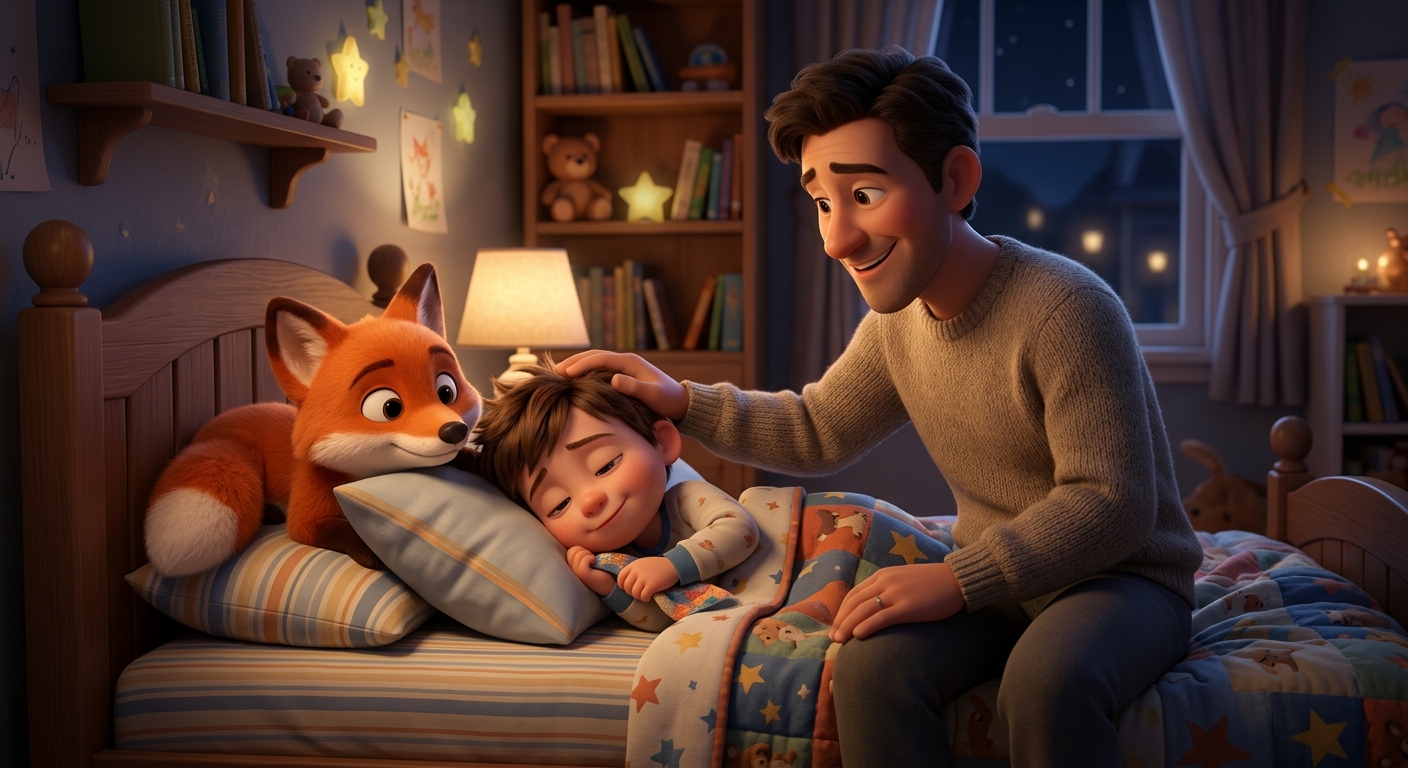
Some evenings there's energy for a long story with many chapters. Other evenings it's already too late, eyes are closing, and all you need is something short, calm, and good.
With Flipr, you choose the length of the story yourself — 5, 10, or 15 minutes — depending on what the evening requires. The story is still personalized with your child as the hero, including pictures and narration, and it's ready in under 2 minutes regardless of the length.
Why is a short story sometimes the best story?
A short bedtime story isn't about saving time at any cost. It's about meeting the evening where it is. A younger child might not need a long narrative to settle down at all, just a small, comforting story with a good ending. And on those tired evenings where both child and parent are about to fall asleep, a short story is often the one that actually gets read to the end.
If you generally struggle to make the evening run smoothly, you can also read our guide to a calm bedtime routine.
How to adapt the story to the evening
With Flipr, you choose how long the story should be—5, 10, or 15 minutes—depending on what the evening requires. The story still features your child as the hero, still includes pictures and narration, and the story itself is ready in under 2 minutes, no matter which length you choose.
The 5, 10, and 15 minutes are a benchmark for the length of the story, not a fixed rule. How much time you actually spend depends on how fast you read and how much you stop and talk about what's happening along the way. But as a starting point for choosing the right evening story, it's a great place to begin.
Which moments are suited for a short story?
- The child is already very tired and needs to sleep soon
- You've had a long day and need a calm ending
- A younger sibling is also joining in for the story
- You have to get up early tomorrow anyway
If you're unsure which age fits which story length, you can read more in our article about the best age for bedtime stories.
What counts, regardless of the length?
A good bedtime story isn't measured in minutes. It's measured by whether your child falls asleep with a calm mind and a good feeling. Some evenings, the best thing you can give is exactly that: something short and safe.
Can you choose whether the story should be short or long every time?
Yes. You choose between 5, 10, or 15 minutes every night, depending on what suits you best.
Is a short story less personalized than a long one?
No. Regardless of length, it's still your child and family who are in the story, just told in a shorter time.
Do short stories work best for younger children?
Often, but not always. Some older children also prefer a short story on tired evenings; it's more about the evening than the age.
Find your perfect story length
Read also
- The ultimate guide to a calm bedtime routine: Why personalized stories are the shortcut to dreamland
- What is the Best Age for Bedtime Stories?
- How to write a great bedtime story prompt — for AI and for yourself
- Is it okay to use an iPad for bedtime stories?
- Do Bedtime Stories Boost Children's Language Development?
- Free bedtime story for your child