How to prepare your child for things they are unsure about
Published · Updated · Christian Søndersted, founder of Flipr
Sunday evening. You're tidying up, and then it comes, quietly from the sofa: "I don't want to go to the pool tomorrow." Or to the dentist. Or to a birthday party for someone they barely know.
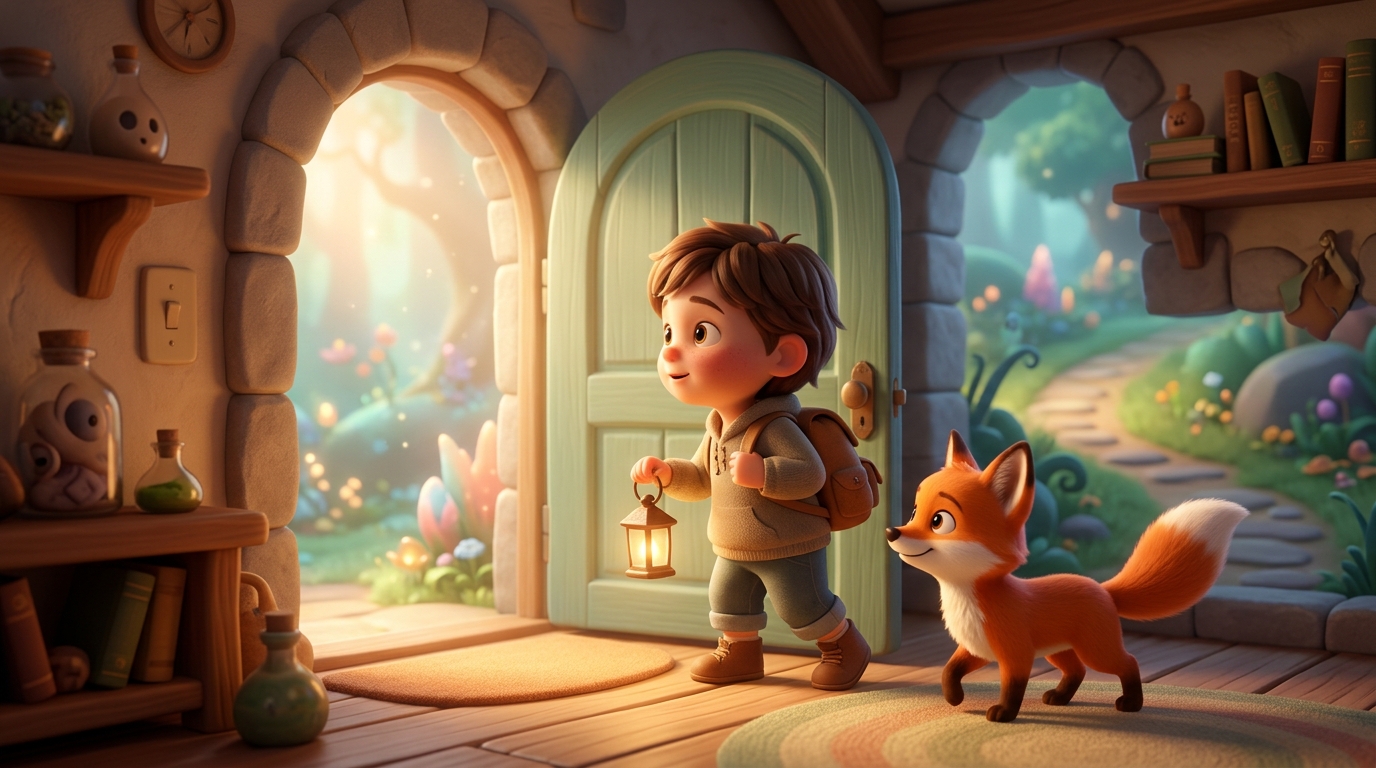
The best thing you can do is tell your child what is going to happen through a story where the child is the main character and succeeds. Do it a few days in advance, repeat it if necessary, and let the child continue the story.
Sunday evening. You're tidying up, and then it comes, quietly from the sofa: "I don't want to go to the pool tomorrow." Or to the dentist. Or to a birthday party for someone they barely know.
You know it will pass once you get started. But right now, you have a nervous child and a mind that doesn't have the energy for another long explanation.
Flipr is an app where your child and your family become regular characters in personalized stories with pictures and narration. You write what the story should be about, and it's ready in under 2 minutes.
Why a story works better than an explanation
For many children between 5 and 10 years old, the unknown is the hardest part because they cannot imagine what will happen. An explanation like "it's not dangerous at all" doesn't give them a picture. A story does.
This aligns with advice from health services. Aalborg University Hospital writes in a pamphlet for parents that children, like adults, are often afraid of what they don't know, and that they become more secure the more things are explained. The Swedish health portal 1177 also recommends role-playing what is going to happen with dolls or teddy bears. It can be easier for a child to say the doll is scared than to say it about themselves.
In a story, the child can see themselves walking through the door, feel the slight butterflies in their stomach, and discover that things actually go just fine. The child practices the situation while still sitting safely by your side.
This requires the story to be about the child themselves. A story about a rabbit at the dentist is cozy. A story about your child sitting in the dentist's chair with their dog beside them is something the child can take with them into the room.
How to do it in four steps
- First, ask what the child thinks will happen. "What do you think they do at the dentist?" The answer reveals if the fear is about pain, being alone, or not knowing what to do. Those are three different stories.
- Tell what happens in order. Go in, say hello, sit down, open your mouth, get a sticker. Children feel secure with sequences because they can hold onto what comes next.
- Let the child be the main character and include a small challenge. If everything goes perfectly, the child won't believe the story. Let the main character feel a little flutter, take a deep breath, and handle it. Feel free to give a familiar person or a pet a supporting role.
- Repeat it and let the child continue the story. Read the story the night before and again on the way there. Ask afterward: "What happened in the story, and what happened in real life?" This gives the child the last word.
1177 recommends preparing children between 3 and 12 years old one to a few days in advance and telling a little at a time, from the least unpleasant to the most difficult. Also make it clear to the child that what is happening has an end.
Eight situations and a story idea
Many children feel uncertain about the same things. Here are eight situations and a suggestion for what you can ask for when creating the story.
You just write what your child wants. Flipr does the rest. And because the child, family, and pet reappear in all your stories, the child recognizes themselves every time.
What to avoid
- Don't promise that it won't hurt or won't be hard. If it does hurt a little anyway, the child loses trust in both the story and you. Better to say: "It might tickle a bit, and then it's over."
- Don't make it a big deal. One calm story the night before is enough. Ten explanations on the same day make the child more aware that there is something to be nervous about.
- Don't force the child to say they are ready. Some children need to hear the story several times before they say anything.
The advice not to promise that something won't hurt is shared by both Aalborg University Hospital and 1177. 1177 adds that it's better for the child to know that a shot can hurt than for it to come as a surprise. Both also point out that your own calmness matters: 1177 writes that the child easily becomes nervous if you are.
Most nervousness before something new is completely normal. If your child is very scared over a long period, avoids the situation again and again, or gets stomach aches and sleep problems every time, talk to the child's educator, teacher, or doctor. A story is a help in everyday life, not a treatment.
How to do it in Flipr
You don't have to invent anything. It takes just a few minutes to get started:
- Create your child's hero. Take a selfie or build the character from scratch. Add siblings, parents, and pets so they are included in all your stories.
- Write what the story should be about. For example: "Mia is going to the dentist tomorrow, and she's a bit nervous. Baloo the dog is coming along." You just write what your child needs. Flipr does the rest.
- Read or listen together. The story is ready in under 2 minutes, with images created for your exact adventure, and you can read it yourself or let Flipr read aloud.
Tuesday morning, on the way out the door, your child sits in the back seat and whispers to themselves: "I'll just count to five, just like in the story." You smile. You were the one who gave the child that.
Want to see it first? See examples of stories. Also read about starting school and long journeys with children.
How do I prepare my child for the dentist?
Tell them what happens in order and let the child be the main character in a short story the day before. Be honest about what might tickle or be felt, and end with something the child is looking forward to.
How long in advance should I prepare the child?
A good starting point is one to three days before. Repeat the story the night before and on the way there.
What do I do if my child is still afraid?
Allow the child to be nervous and let them tell you what they are afraid of. Use the child's own words in the next story. If the fear persists or takes up a lot of space in daily life, talk to the child's educator, teacher, or doctor.
Can I use a story to prepare my child for the first day of school?
Yes. Let the child walk through the day in the story: arrival, finding their seat, recess, and the trip home. Feel free to include a friend or a pet for support.
What age is this best suited for?
The idea is suitable for children between 5 and 10 years old who can follow a story and imagine what will happen. Younger children need shorter and more concrete stories.
Try Flipr for free
Sources
- Förbereda barn för besök i vården — 1177
- Når du skal på hospitalet med dit barn — Aalborg Universitetshospital
Read also
- First sleepover at a friend's house: how to prepare your child
- When Daily Life Changes: Use Stories to Ease Transitions for Your Child
- Child afraid of the dentist: how to prepare them step by step
- First day of school: how to prepare your child with a story
- Using Stories to Talk About Feelings: A Guide for Parents
- Flipr for Starting School — Help Your Child Process a Major Transition